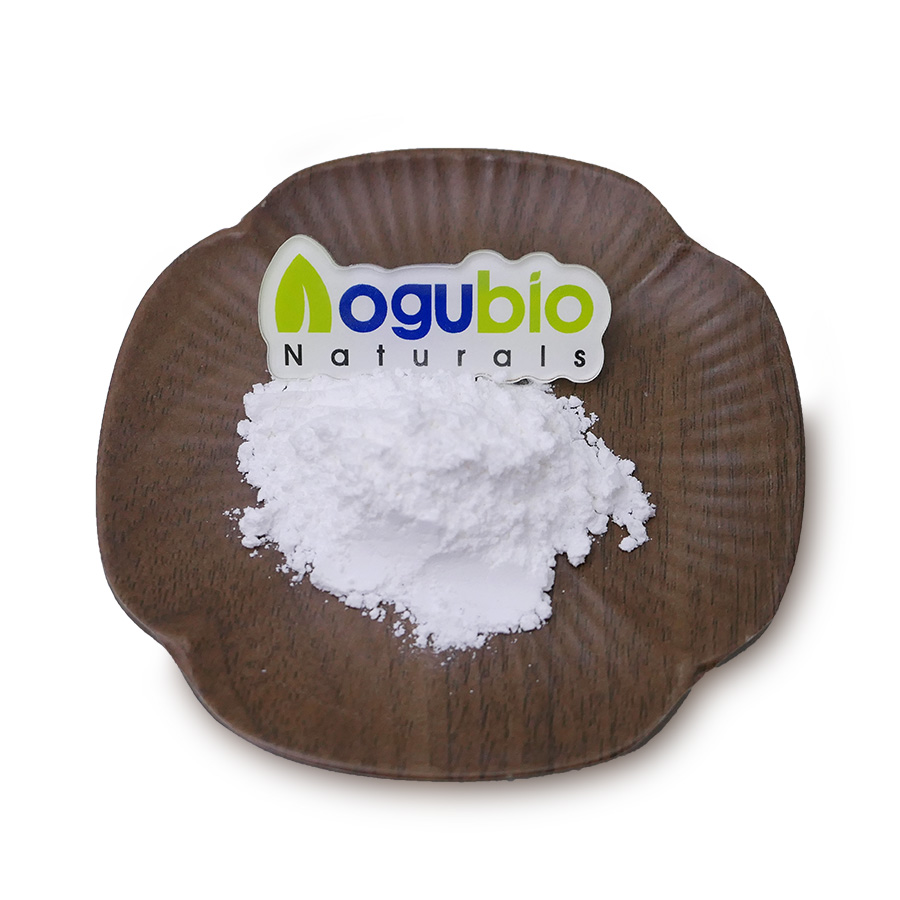

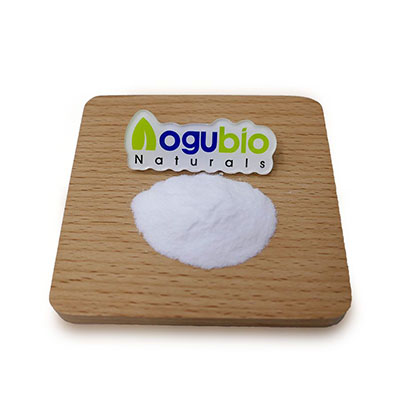
Factory Supply CAS 13040-19-2 Zinc Ricinoleate

Products Description
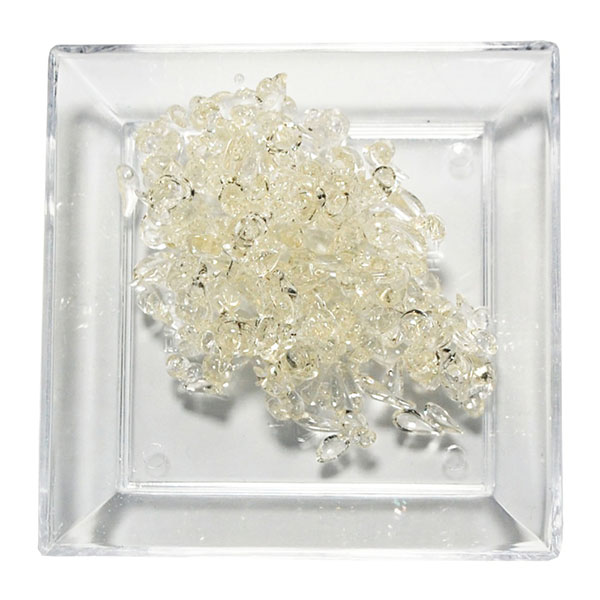
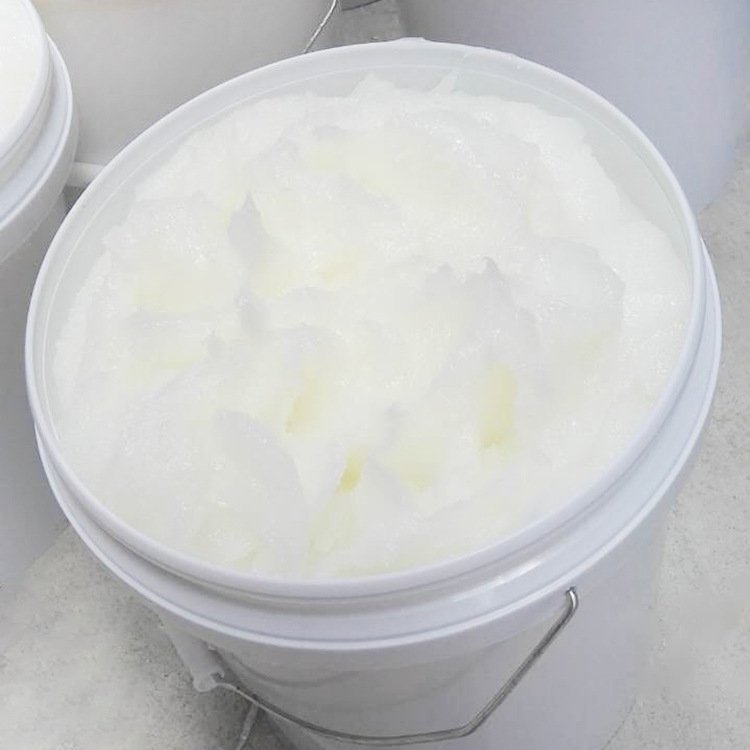
- Zinc ricinoleate is the zinc salt of ricinoleic acid derived from castor oil. It is a popular cosmetic raw material famous for odor-absorbing function instead of simply masking smells. Our zinc ricinoleate features stable quality, fine powder form and good compatibility with various cosmetic bases. It is widely accepted by formulators for deodorant and body care products.
- Zinc ricinoleate is an efficient and environmentally friendly new deodorant raw material, which also can be used for deodorization of fabrics, kitchens, toilets, pets, cars, food plants, sewage treatment plants and other objects, with a wide range of applications.
Specifications
|
Item
|
Value
|
|
Product Name
|
Zinc ricinoleate |
|
CAS No.
|
13040-19-2 |
| Assay | 99.0 % |
|
MW
|
660.29564
|
|
MF
|
C10H10O4
|
|
EINECS No.
|
235-911-4
|
|
Place of Origin
|
China
|
|
Purity
|
99%
|
|
Application
|
Deodorization |
|
Appearance
|
White Fine Powder
|
|
Shelf life
|
2 Years
|
|
MOQ
|
1 Kg
|
Function
- Absorbs odors
Zinc ricinoleate can effectively absorb and neutralize odors, making it widely used in personal care products.
- Fragrance fixation
It can help stabilize fragrance and extend the persistence of fragrance, allowing products to maintain their fragrance longer.
- Antibacterial effects
Some studies have shown that zinc salts have certain antibacterial effects, so they may also play an antibacterial role in some products.
- Gentle Skin Compatibility
This raw material has low skin irritation risk and good gentleness for body contact applications. It can be safely formulated into leave-on and rinse-off personal care products for all skin types.
- Excellent Formulation Compatibility
It shows stable properties in both water-based and oil-based cosmetic systems. It blends smoothly with emulsifiers, thickeners and other cosmetic actives without disrupting formula stability.
Overall, Zinc ricinoleate is an ingredient commonly used in personal care products to help reduce odor, stabilize aroma, and improve product quality.
Application
- Deodorant Products
Zinc ricinoleate is the core active ingredient for deodorant sticks, roll-on deodorants and deodorant sprays. It is added to block body odor molecules and is widely adopted in antiperspirant & deodorant personal care lines.
- Foot Care Products
It can be incorporated into foot cream, foot powder and foot spray products to reduce foot odor. It works well for long-lasting odor control in foot care formulations.
- Body Care Products
This raw material is suitable for body lotions, body creams, soaps and shower products. It helps reduce body odor while keeping skin comfortable during daily use.
- Special Personal Care Products
It can also be used in some pet care products to reduce unpleasant animal odors, and compatible with many custom personal care formulas developed by cosmetic manufacturers.
other commonly used odor neutralizers
In cosmetics, besides Zinc ricinoleate, there are several other commonly used odor neutralizers. Here are some examples:
- Dimethylamine: has an ammonia odor and can be used as an odor neutralizer to eliminate the odor of drugs or other compounds.
- Triethanolamine (TEA): It acts as a neutralizing agent in cosmetics and is used to neutralize fatty acids to form soap and sulfated fatty acids to form amine salts. It can also be used as neutralizer of acidic polymer gel such as carbomer to form stable lotion or suspension by neutralization with carboxyl groups such as carbomer.
- TRIS buffer: In cosmetics, the most common function of TRIS is to regulate pH (acidity and alkalinity), and it can also be used as a neutralizing agent to neutralize thickeners (carbomer), reduce stickiness, improve skin cell respiration efficiency, and prevent pore blockage. In addition, TRIS can be used as an odor regulator in cosmetics containing amine salts, regulating the odor of amines generated by friction when applying cosmetics, thereby avoiding the release of any residual or persistent odors.
- HEPES (4-hydroxyethylpiperazine ethanesulfonic acid): As a cosmetic ingredient, HEPES has the advantages of being safe for the human body, non-toxic, physiologically compatible, and chemically stable. It can stabilize the pH range of skincare products for a long time, maintain the activity of microbial fermentation product extracts, and prolong the anti-aging effect of the product. Therefore, it is often used as a stabilizer and activator in cosmetics.