-
Cosmetic Preservative Chemical Synthesis Optiphen Nd
Products Description Recommended Use Levels: 0.4% – 1.2% pH: 4.0 – 6.0 Phenoxyethanol: 79.0-81.0% Benzoic Acid: 11.5-12.5% Dehydroacetic Acid: 7.7-8.3% Phenoxyethanol (and) Benzoic Acid (and) Dehydroacetic Acid. Optiphen ND is paraben free and does not contain formaldehyde releasers. It is effective against Gram-positive and Gram-negative bacteria, yeast, and mold. The pH of finished formulations should be 6 or below for effective utilization of this preservative. Optiphen ... -
Water-soluble ceramide Rice Bran Extract Ceramide 2.5%
Products Description Ceramide is the latest generation of humectants developed in recent years. It is a water-soluble lipid substance. It has a structure similar to the material that makes up the stratum corneum. It can quickly penetrate into the skin and combine with the water in the stratum corneum to form a network structure to lock in moisture. Ceramide is the main component of liposomes in the outermost stratum corneum of human skin (>50%). It plays an important role in prevent... -
Cosmetic grade Cas 123-99-9 Azelaic Acid Powder
Products Description Azelaic acid powder is a commonly used cosmetic raw material with various beauty benefits. It is a natural product usually extracted from wheat, barley or yeast. Azelaic acid powder is widely used in cosmetics and is popular for its antibacterial, anti-inflammatory and whitening effects. Function First, azelaic acid powder has antibacterial and anti-inflammatory properties and can be used to treat skin problems such as acne and rosacea. It can reduce the number... -
Factory Supply Cosmetic Grade 99% SLSA CAS 1847-58-1 Sodium Lauryl Sulfoacetate
Products Description Sodium Lauryl Sulfoacetate (SLSA) is a surfactant commonly used in personal care and cleaning products. It is a naturally derived compound usually extracted from coconut oil. SLSA dissolves in water and can produce rich foam, so it is often used in the manufacture of foam bath balls, foam bath salts, shampoo, shower gel and other products. BASIC ANALYSIS Item of Analysis Specification Results Actives,% Not less than 75% 90% Appearance Powder Conforms... -
30% Sodium lauroyl sarcosinate Liquid
Products Description Sodium lauroyl sarcosinate is a surfactant formed by the reaction of lauric acid and sarcosine. It is a mixture of nonionic and anionic surfactants and is widely used in personal care and cosmetic products for its mildness and good cleaning ability. Features Mildness: Compared with other surfactants, sodium lauroyl sarcosinate is less irritating to the skin and eyes and is suitable for sensitive skin. Good foaming property: can produce rich foam and enhance the use ... -
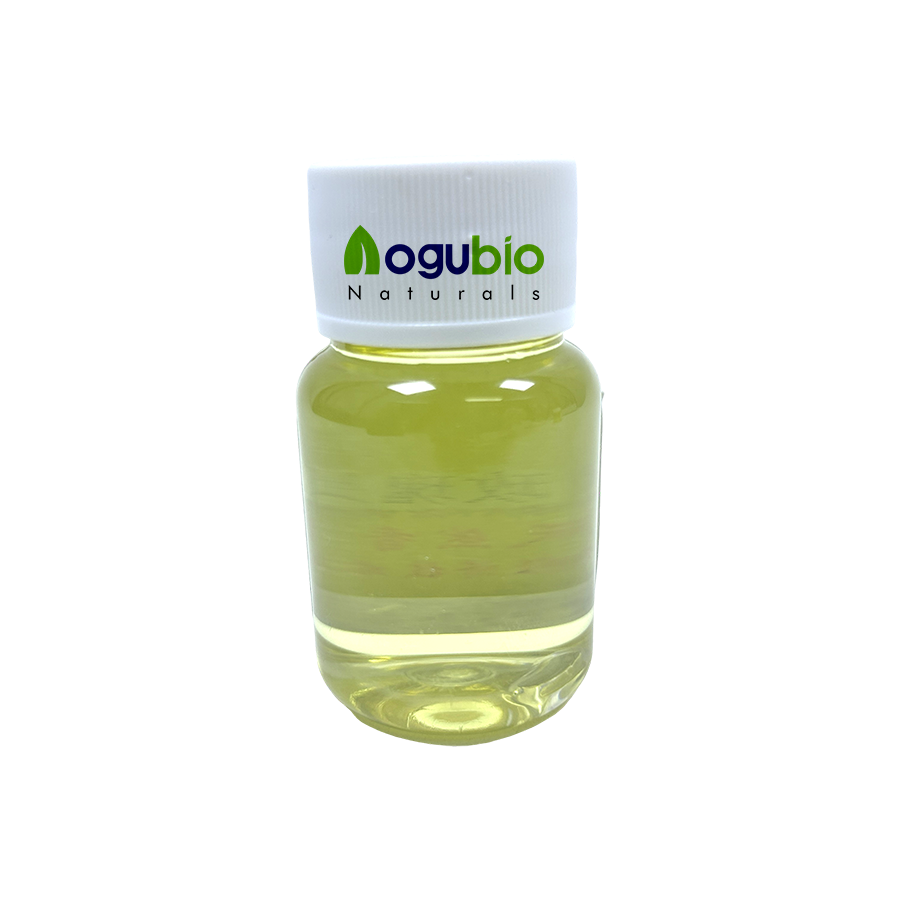
Cosmetic Preservative Optiphen™ Plus Preservative
Products Description Sorbic Acid (and) Phenoxyethanol (and) Caprylyl Glycol. It is free of paraben, formaldehyde or halogens. Optiphen Plus is a liquid preservative formulation featuring an innovative blend of phenoxyethanol, sorbic acid and an emollient base that is ideal for slightly acidic personal care products requiring broad spectrum protection. The combination of all three ingredients offers effective protection against bacteria, yeast and mold growth while imparting emolliency. O... -
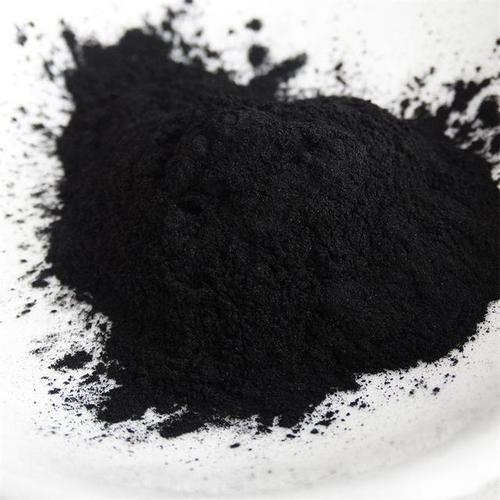
Activated Charcoal Powder Cosmetic Grade Activated Carbon Powder
Products Description The process of calcining materials like sawdust, peat, coconut shells, and olive pits yields charcoal powder. In order to increase porosity and produce smaller volume pores, which in turn increases surface area and improves adsorption, it is activated by heating charcoal at high temperatures, usually with steam. Peat, coal, wood, coconut shells, or petroleum can all be used to make common charcoal. Common charcoal is heated to approximately 900°C in the presence of a... -
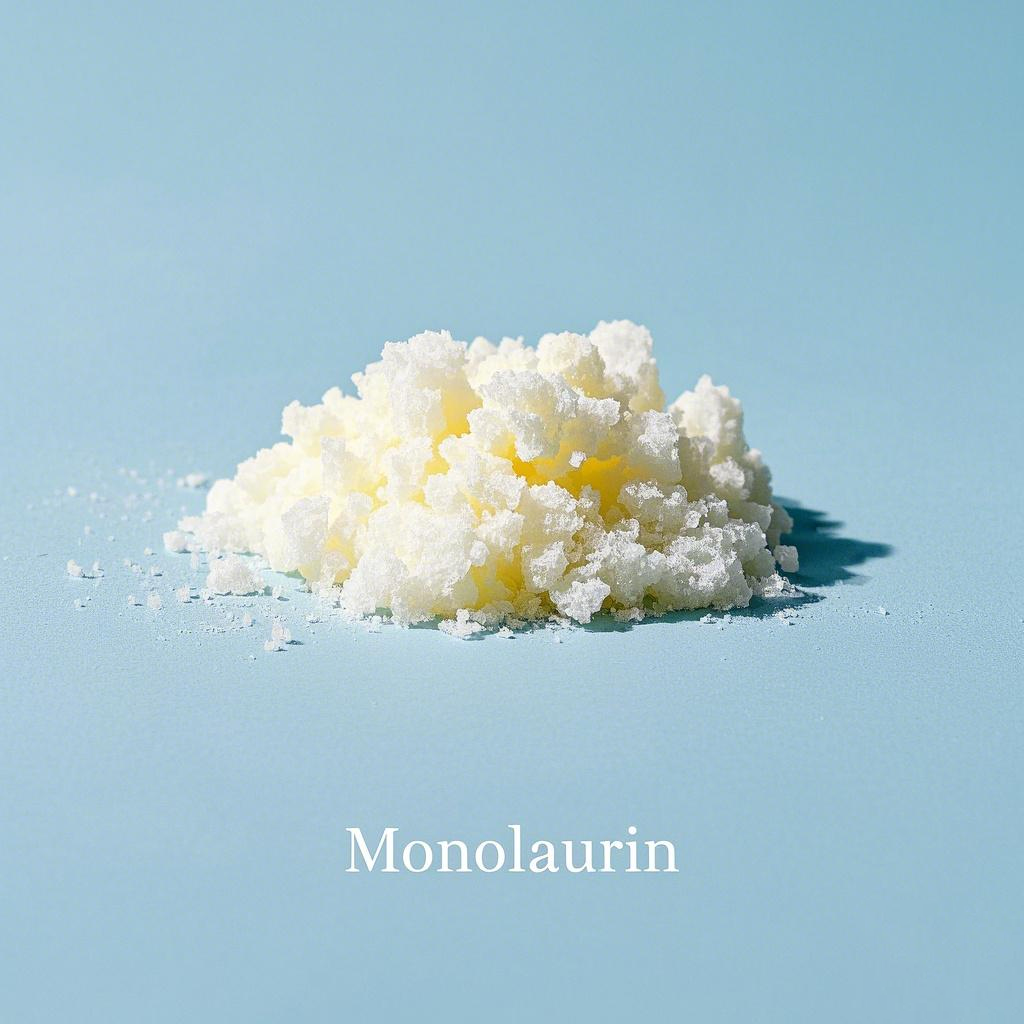
Monolaurin/glycerol monolaurate/glyceryl laurate
Products Description Monolaurin (abbreviated GML; also called glycerol monolaurate, glyceryl laurate, and 1-lauroyl-glycerol) is a monoglyceride. It is the mono-ester formed from glycerol and lauric acid. Its chemical formula is C15H30O4. Monolaurin is most commonly used as a surfactant in cosmetics, such as deodorants. As a food additive it is also used as an emulsifier or preservative. Monolaurin is also marketed as a dietary supplement. Function: Antibacterial effect: It is a sa... -
Isododecane CAS 31807-55-3
Products Description Isododecane is a colorless liquid that is commonly found in many cosmetic, hair care, and skin care products. Its popularity rises from the multiple benefits that it offers for the skin and hair. Apart from trapping moisture, Isododecane helps in keeping the formulations soft and aids in easy gliding of the products. Further, this ingredient results in a matte finish and gives a weightless feel to the skin and hair. The chemical formula of Isododecane is C12H26. B... -
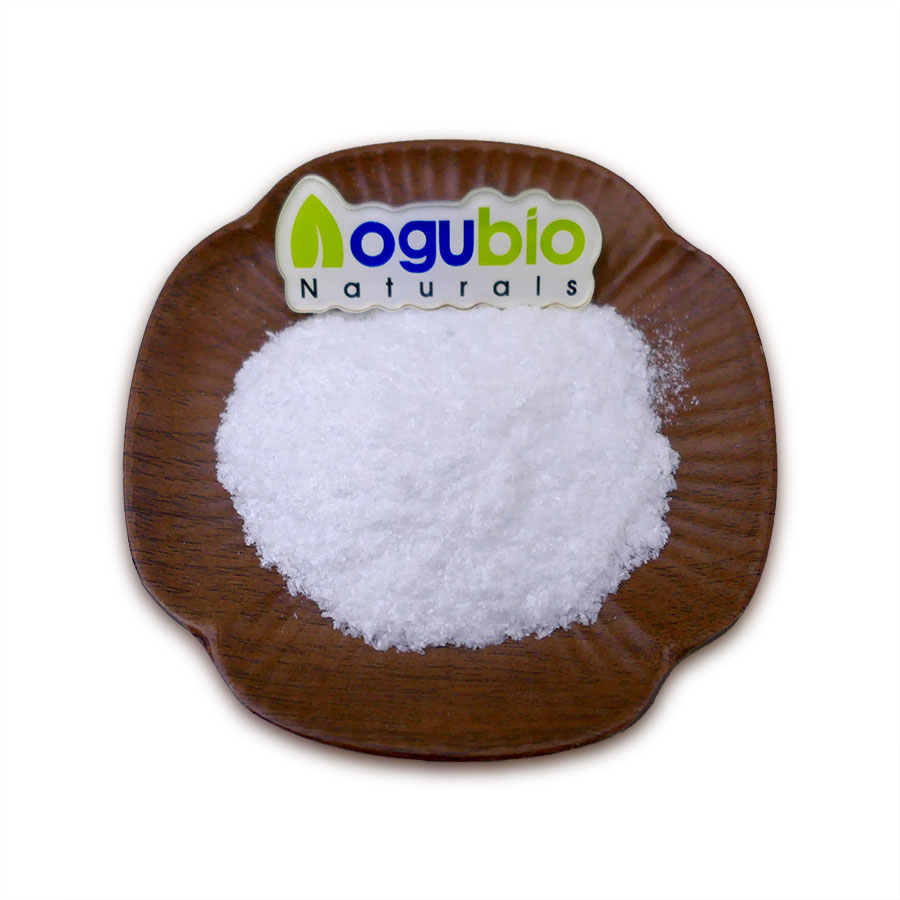
Kojic Dipalmitate Skin Whitening Kojic Acid Dipalmitate powder
Products Description Kojic acid dipalmitate is modified kojic acid derivative,which not only overcomes the instability to light, heat and metallic ion, but also keeps the inhibitory tyrosinase activity and prevents the forming of melanin. Kojic dipalmitate owns stable chemical property. It will not turn yellow for oxidation, metallic ion, illumination and heating. Function kojic acid dipalmitate is a kind of specialized inhibitor for melanin. It can prevent the tyrosinase act... -
Cosmetic anti-wrinkle CAS 960608-17-7 Tetrapeptide-21
Products Description Tetrapeptide-21 (GEKG-peptide) is a synthetic peptide that repeats a part of a sequence (Gly-Glu-Lys-Gly) of several extracellular matrix (ECM) proteins such as collagens I, II, III, IV, V, elastin, and pro-elastin. It boosts collagen, hyaluronic acid, and fibronectin production by dermal fibroblasts. It is scientifically proven that fragments of ECM proteins (breakdown product peptides) stimulate regenerative and wound-healing processes in the skin. Tetrapeptide-21 ... -
Manufacturer supply Isopropylidene Glycerol/Isopropylideneglycerol
Products Description Isopropylidene glycerol, also known as 2,2-dimethyl-1,3-dioxolane-4-methanol, is a chemical compound that is a derivative of glycerol. It is often used in organic synthesis and can serve as a protecting group for hydroxyl groups in various chemical reactions. The isopropylidene group can help to stabilize the molecule and prevent unwanted reactions during synthesis. This compound is particularly useful in the field of organic chemistry for the protection and deprotec...

Welcome to Xi'an Aogu Biotech Co., Ltd.



